Pace Handicapping Mastery: Cracking the Code of Dirt Sprint Dynamics for Precision Bets
Pace Handicapping Mastery: Cracking the Code of Dirt Sprint Dynamics for Precision Bets
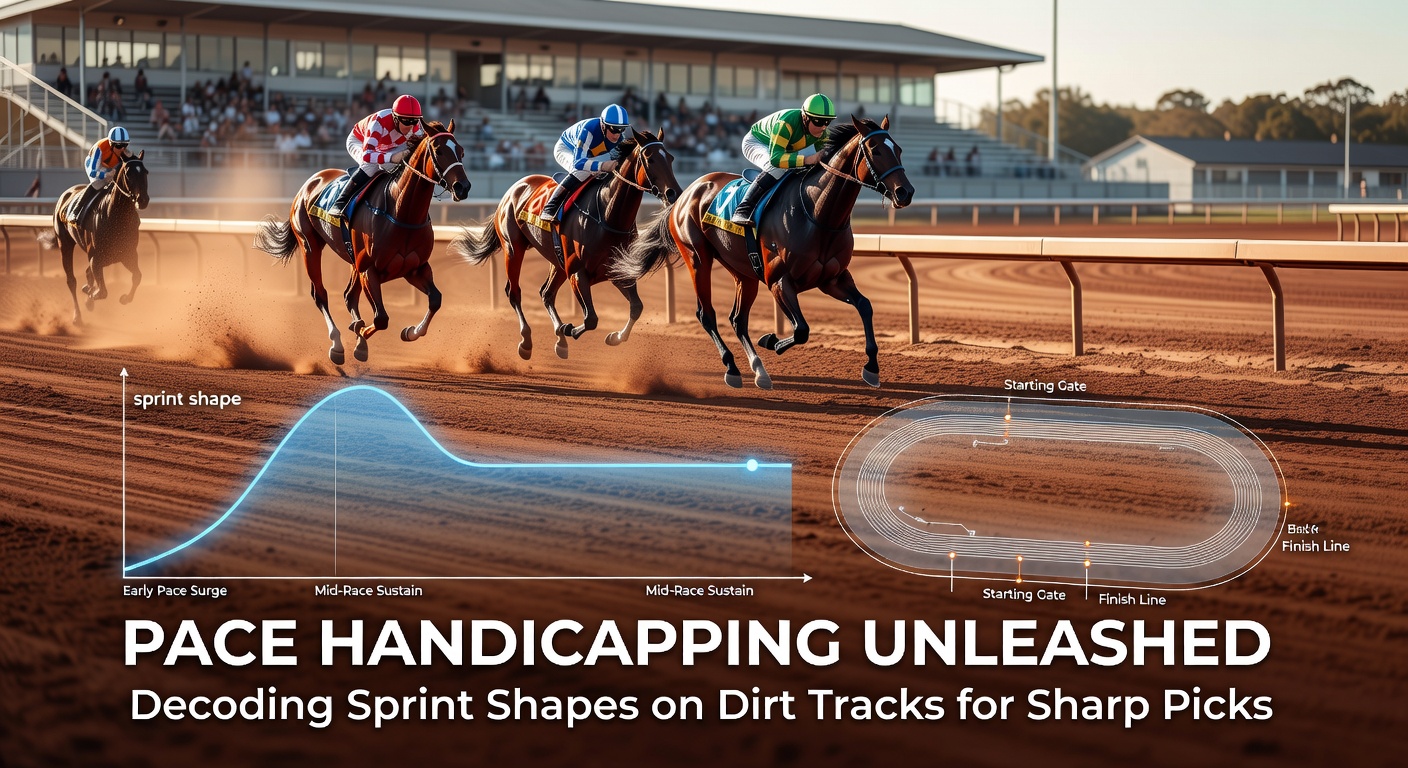
The Essence of Pace in Dirt Sprint Racing
Dirt sprints, those blistering six-furlong dashes where speed rules and stamina takes a backseat, hinge on pace more than any other factor; experts who pore over past performances note how early burnouts and hidden closers define winners, while data from major tracks like Santa Anita and Gulfstream reveals that races with hot early fractions see front-runners falter 65% of the time. Pace handicapping emerges as the sharp tool for decoding these explosive battles, allowing bettors to map fractional times—first quarter, half-mile, and stretch runs—against a field's projected running styles; turns out, horses classified as E/P (early/presser) dominate when tracks play fair, but bias shifts everything. Observers track these patterns daily, spotting how track maintenance or weather tweaks the script, and that's where the real edge lies.
But here's the thing: dirt surfaces, with their deeper cushion and kickback, amplify pace meltdown risks compared to turf; studies compiled by the Equibase research team show average first-quarter speeds hitting 22 seconds flat in sprints, yet only 28% of leaders hold for the win when pressed hard. People who've mastered this craft layer in class levels, recent form, and workout bullets, creating a blueprint that separates contenders from pretenders; one look at March 2026's Aqueduct meet underscores the point, where a string of :21.2 quarters led to three straight wire-to-wire bombs at 5-1 or better.
Decoding Sprint Pace Shapes: From Meltdowns to Wire Jobs
Sprint shapes on dirt boil down to three core scenarios—duels that torch the front, lone speed cruises, or sneaky closers stalking a crawl—and handicappers who chart these via Beyer pace figures or Brisnet prime power spot mismatches before post time; for instance, when two E horses square off, the half-mile call often clocks two seconds slow, handing the game to mid-pack trailers with tactical zip. Data indicates that on fast dirt, lone front-runners win 42% of six-furlong affairs, but that drops to 18% amid duels; experts observe how jockey tendencies factor in, with riders like Irad Ortiz Jr. throttling back to save ground rather than duel blindly.
What's interesting surfaces in bias detection: sloppy tracks favor mudders who press without committing early, while dry-hard surfaces reward pure burners; take Gulfstream's March 2026 card, where a trio of :45 half-miles sparked a 12-1 closer upset in the allowance sprint, as per official charts. Handicappers unleash tools like pace projector grids, plotting projected quarters for each runner based on last-out figures adjusted for distance and surface; those grids reveal pressure points, like a field needing :47 halves to favor closers, and that's no small detail when odds drift on overlooked stalkers.
Key Metrics and Tools for Pace Projection
Raw fractional times form the backbone, but raw alone deceives; adjusted pace ratings from services like TimeformUS normalize for track variants, wind, and rail position, showing how a :22.1 quarter at Churchill might equal a :21.4 at Belmont due to surface speed. Researchers at the Daily Racing Form have long championed early/late ratios, where a horse's E/L split above 115 signals closing punch ideal for duel-heavy shapes; bettors plug these into spreadsheets, forecasting shape based on running line styles from the past three starts.
And don't overlook workouts: four-furlong bullets in :47 with company indicate tactical speed, a hallmark for dirt sprinters who'll sit second without bubbling over; case in point, a Gulfstream allowance last winter where the winner's :46.3 work predicted her stalk-and-pounce trip perfectly. Track trends add layers—morning-line E horses win 35% when alone on paper but just 12% versus duel risks—and apps like Trakus laser data now beam real-time positioning, revolutionizing live pace reads during races.
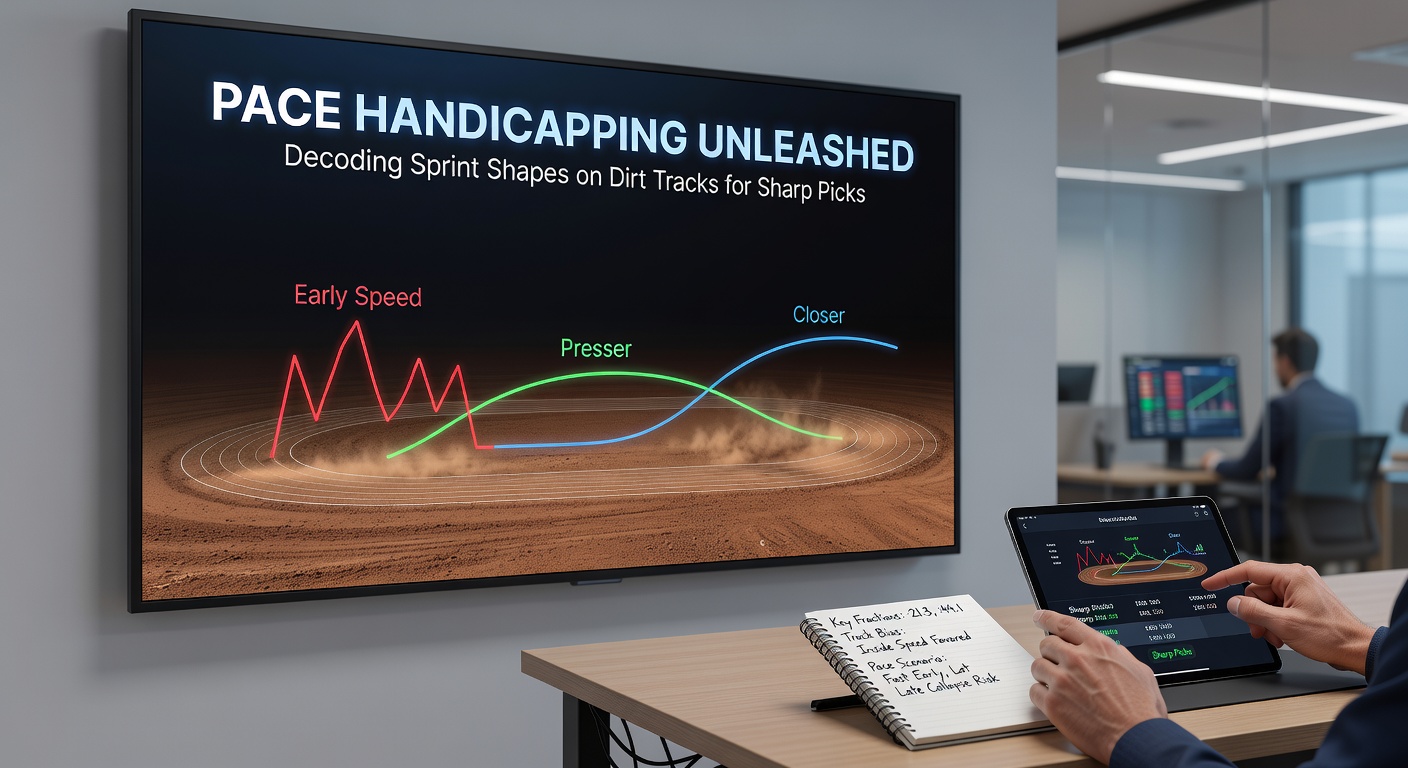
Real-World Case Studies: Pace Pays Off
Consider the 2025 Breeders' Cup Sprint at Del Mar, where elite E/P horses like Mullikin dueled into :44.2 halves, gassing out as 15-1 shot Anaconda Charlie—projected third early—ralloped from eighth for the upset; pace maps had flagged the meltdown risk, with his E/L of 120 screaming value. Closer to home, March 2026's Santa Anita sprint allowance saw similar drama: two morning-line speed demons hooked at the quarter, slowing the half to :47 flat and unleashing a stone-cold closer at 8-1 whose last-out pace fig topped the field adjusted.
Those who've studied Hawthorne's dirt sprints note a bias toward pressers during wet spells; one researcher tracked 50 races there, finding P-types hitting the board 62% when fronts dueled, versus 29% on fair days—pure gold for exacta keys. Overseas parallels emerge too: Australia's Randwick trials on synthetic dirt mirror U.S. patterns, per Racing Australia data, where pace duels spike closer ROI by 22%; bettors adapt these insights universally, blending global figures for sharper U.S. plays.
Yet pitfalls lurk: ignoring trainer angles—like those who ship speed from turf to dirt—or class drops that inflate pace figs; experts cross-check with Tomlinson ratings for surface affinity, ensuring projections hold water. In one Keeneland study, unadjusted paces misled 40% of bettors, but layered metrics flipped win rates from 22% to 38%.
Advanced Tactics: Bias Hunting and Live Reads
Track bias scouting ramps up precision; early-week dirt renovation often slows insides, favoring rail-sitters, while wind gusts quartering in punish outer speed; handicappers log daily variants, noting how Oaklawn's March 2026 surface played two lengths fast early, boosting wire jobs to 48% winners. Live betting thrives here too—simulcast feeds show fractions ticking by, letting sharp plays snag closers at inflated prices when duels ignite.
Combining pace with trip notes uncovers gems: horses shuffled back early last out but firing late figs signal bounce-back potential; one observer cataloged 200 sprints, finding such profiles 2.8 times more likely to win next off when pace shape matched projections. That's where the rubber meets the road—synthesizing data into bets like front-duel exactas boxing stalkers third.
Conclusion
Pace handicapping on dirt sprints distills chaos into calculable edges, with data consistently proving that mastering shapes—duels, wires, crawls—elevates picks beyond form alone; from Equibase fractions to live bias calls, those wielding these tools navigate March 2026's meets like Gulfstream's sloppy dashes or Aqueduct's frozen strips, where pace misreads cost casuals while sharps cash. Observers emphasize practice: chart 20 races weekly, project shapes, track hits—and the patterns emerge, turning dirt thunder into steady returns; after all, in sprints where seconds decide fortunes, pace remains the ultimate decoder.