International Poker Regulation Evolution and Its Impact on Cross-Border Player Flows

Regulatory frameworks governing online poker continue to evolve across multiple continents, creating measurable shifts in where players choose to register and play; these changes often prompt account holders to seek platforms licensed in jurisdictions with clearer rules or lower tax burdens while data from industry trackers shows consistent patterns of movement tied directly to new legislation or enforcement actions.
Observers tracking player databases note that when one country tightens licensing requirements or raises operator fees, traffic frequently redirects toward markets that maintain more permissive stances, and this dynamic has accelerated in recent years as governments respond to revenue needs and consumer protection concerns.
Key Regulatory Developments Across Regions
European jurisdictions outside the UK have introduced updates that affect licensing for remote gaming operators, with several member states aligning tax structures and compliance standards in ways that influence which platforms remain accessible to residents; meanwhile North American states continue to debate or implement frameworks that either open or restrict interstate and international access.
In Asia-Pacific regions authorities have adjusted rules around foreign operators, prompting some players to migrate toward sites based in territories that offer favorable conditions for high-volume tournament and cash game participation, and these adjustments often coincide with broader digital economy policies rather than isolated gambling measures.
Documented Migration Patterns in 2026
Analysis of account registration data reveals that players from jurisdictions implementing stricter verification or deposit limits have increased sign-ups on platforms licensed in Malta and Gibraltar during the first half of 2026, while similar movements appear in traffic reports from Canadian provinces following provincial-level policy reviews.
Researchers examining transaction volumes find that July 2026 marks a notable inflection point because several proposed tax harmonization measures across the European Union are scheduled for preliminary implementation, leading operators to anticipate further player redistribution toward markets with stable licensing regimes and predictable fee structures.
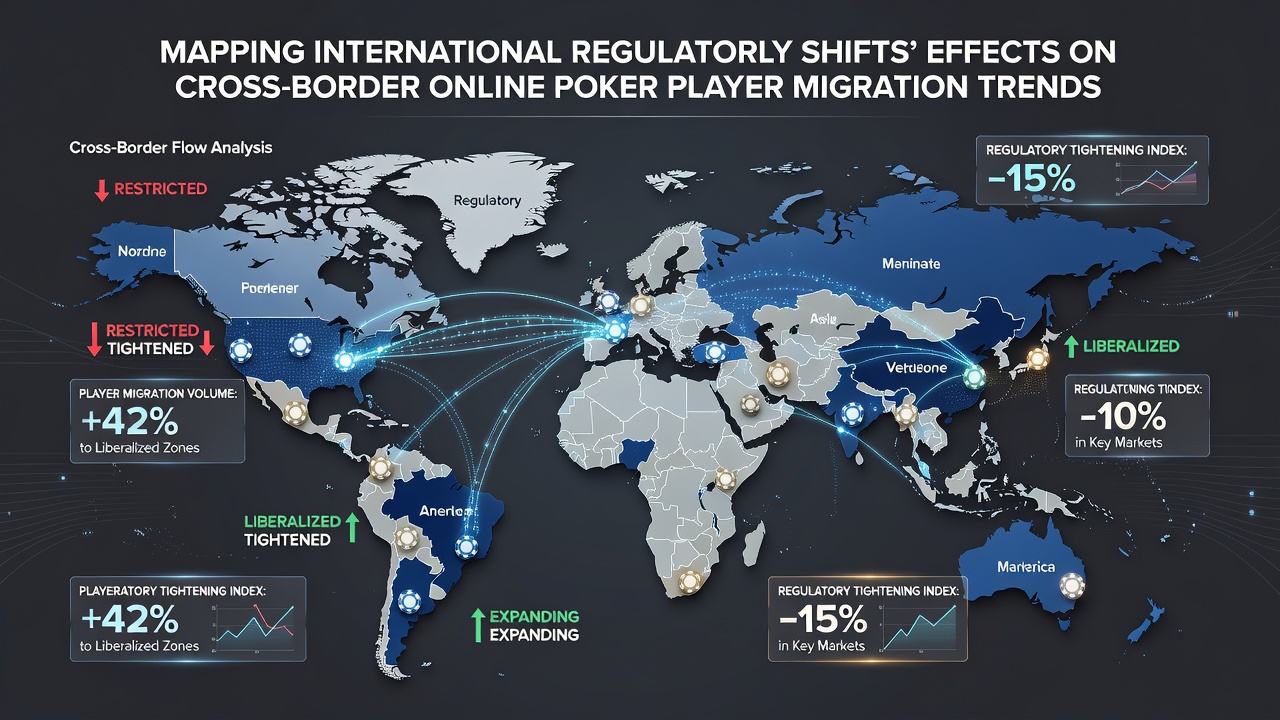
Case examples include documented surges in registrations from Australian residents following updates to local advertising restrictions, with many accounts shifting to operators holding licenses in jurisdictions that permit targeted marketing to international audiences, and parallel trends emerge in Latin American markets where new laws have either welcomed or deterred foreign-facing sites.
Data Sources and Measurement Approaches
According to reports published by the Canada Revenue Agency on gaming-related tax filings, cross-border transaction patterns provide indirect indicators of player movement, while academic studies from institutions examining digital economy flows have compiled anonymized datasets that correlate regulatory announcements with changes in platform traffic originating from specific countries.
Industry associations such as the European Gaming and Betting Association have released aggregated statistics showing that operators in certain EU member states experienced measurable declines in active users from neighboring regions after tax increases took effect, and these figures align with independent traffic analytics that map IP address origins against licensing jurisdictions.
Implications for Operators and Players
Operators respond to these shifts by securing additional licenses in multiple territories or restructuring their offerings to comply with varying requirements, and this multi-jurisdictional approach allows platforms to retain users who might otherwise migrate elsewhere when a single regulatory environment becomes less favorable.
Players themselves often monitor policy announcements through community forums and industry newsletters, then adjust their registration choices accordingly, resulting in observable clustering around jurisdictions perceived as stable or advantageous for extended play sessions without frequent account disruptions.
Conclusion
The interplay between regulatory shifts and player migration continues to shape the structure of online poker markets, with data from government agencies, industry groups, and research institutions providing ongoing visibility into these movements, and future policy changes scheduled for later in 2026 are expected to produce additional redistribution effects that operators and analysts will track through registration and transaction metrics.