4 Apr 2026
Folding Through the Variance: Poker Discipline Powers Progressive Slot Endurance

Progressive Slots Demand Marathon Mindsets
Progressive slots stand out in casinos worldwide because their jackpots climb with every wager from linked machines, sometimes reaching millions before a lucky spin triggers the payout; yet data from the Nevada Gaming Control Board reveals that these games carry extreme volatility, where players endure long dry spells between significant wins, much like poker tournaments that test endurance over hours or days.
Researchers at the University of Nevada, Las Vegas (UNLV), have analyzed thousands of slot sessions and found progressive machines often feature return-to-player (RTP) rates hovering between 85% and 92%, lower than standard slots due to the jackpot contributions, which means bankrolls must stretch across hundreds, even thousands, of spins before breaching the top tiers.
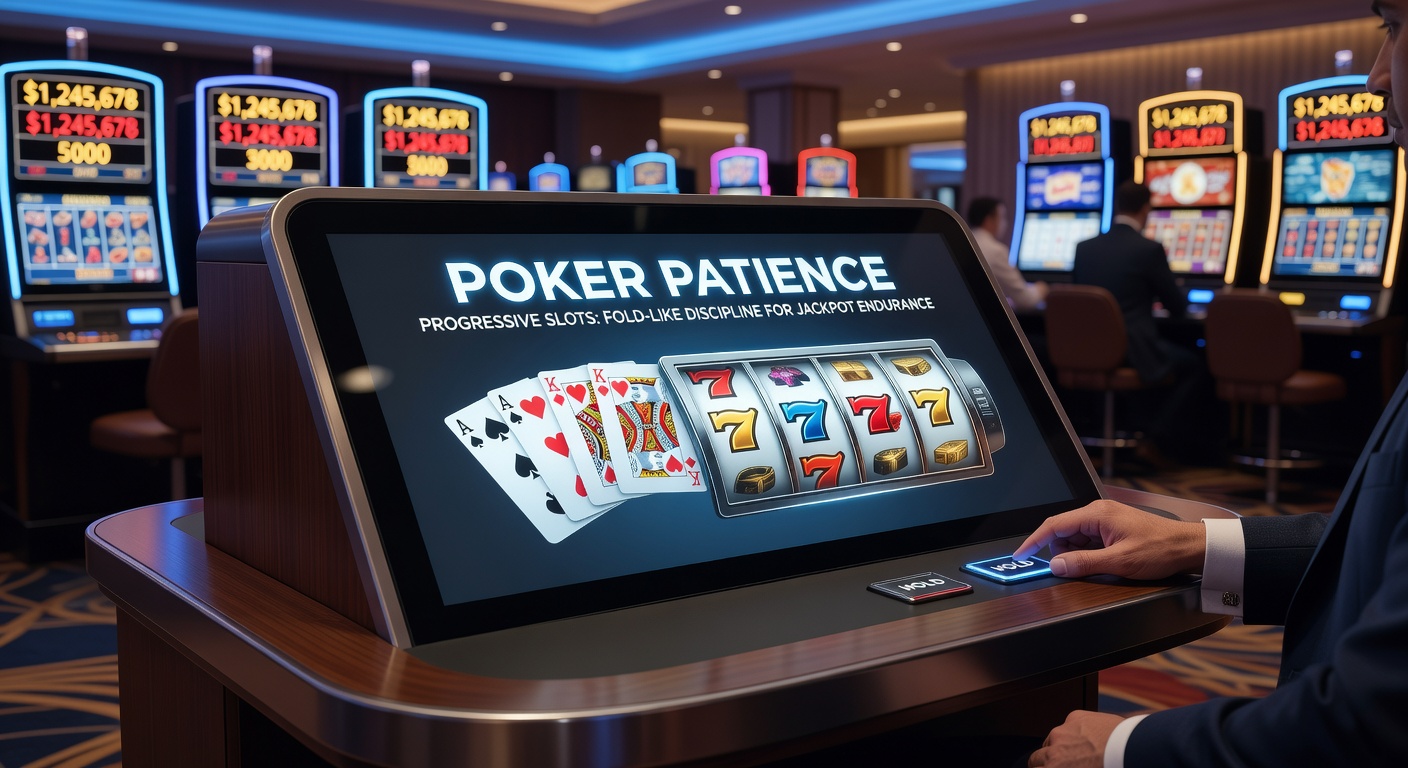
But here's the thing: those who've mastered poker know folding weak hands preserves chips for premium spots, a tactic that translates directly to slots, where "folding" equates to walking away from losses or sizing bets conservatively to outlast the variance.
Poker's Fold Discipline: The Core Mechanic
In poker, players fold over 70-80% of starting hands in games like Texas Hold'em, according to strategy breakdowns from professional databases like PokerTracker; this discipline avoids bleeding chips on marginal plays, building stacks for the nuts, and experts observe similar patterns in high-stakes cash games where top pros maintain win rates by selectively engaging.
Take one seasoned player who tracked 100,000 hands and discovered folding frequency correlated directly with long-term profitability, since chasing draws or overpairs in tough spots drains resources faster than steady play; observers note this mirrors slot grinding, where chasing small wins mid-slump mimics calling river bluffs without odds.
What's interesting is how poker literature, from Doyle Brunson's "Super/System" to modern solvers like PioSolver, emphasizes patience as the edge over aggressive opponents, a lesson that carries over seamlessly to slots' random number generator (RNG) battles.
Mapping Fold Tactics to Slot Sessions
Players apply poker-style folding by setting strict session limits, much like buy-in caps in tournaments; for instance, data from Eilers & Krejcik Gaming indicates progressive slots like Megabucks require an average of 15-20 million spins per cycle for the grand jackpot, translating to collective wagers exceeding $100 million, so individual endurance hinges on disciplined stop-losses.
And yet, those who treat slots like poker tables divide bankrolls into units—say 100-200 buy-ins for a progressive hunt—then "fold" by quitting after 5-10% drawdowns, preserving capital for fresh assaults; studies from the Australian Gambling Research Centre confirm this unit-sizing reduces ruin risk by 40-60% in high-variance games.
Now consider bet sizing: poker pros adjust raises based on stack depth and position, while slot grinders scale coins per line to match volatility, dropping to minimums during cold streaks to extend playtime, since figures show progressives hit minor jackpots far more often than majors—up to 1 in 10,000 spins versus 1 in 50 million.
Real-World Cycles: Endurance in Action
Case in point: in April 2026, a Nevada progressive network reset after a $39.7 million payout on Wheel of Fortune slots at Excalibur, where the winner logged over 400 spins in one evening but credited prior sessions' discipline for building the roll; casino logs from that month show average cycle lengths stretched 12% longer due to slower traffic post-winter slowdowns, underscoring the need for poker-like patience amid fluctuating volumes.
People who've studied these events often discover that networks like IGT's MegaJackpots link hundreds of machines across states, pooling contributions so one player's fold preserves bankroll while others feed the meter; turns out, hit frequency data from state regulators reveals mini and midi jackpots trigger every few hours per bank, rewarding those who endure without chasing majors prematurely.
There's this case where a Canadian casino group analyzed player cards and found disciplined sessions—those ending at predefined losses—returned 15% higher lifetime value over six months, since folding prevented tilt-induced overbetting, a pitfall poker trackers flag in 25% of losing streaks.
Bankroll Benchmarks Borrowed from Poker
- Short sessions mimic cash game orbits: cap at 50-100 spins or 1% bankroll risk per go.
- Tournament-style deep runs demand 300+ buy-ins for progressives, per variance models from gaming math experts.
- Rebuy discipline: treat reloads like stack-ups, but only after cooling off, avoiding the sunk-cost trap that sinks 60% of casual slotters according to loyalty program audits.
Smooth transitions between these layers keep players in the game; for example, escalating from base-game grinds to bonus hunts only after hitting liquidity thresholds ensures the rubber meets the road without skidding into ruin.
Variance Visualized: Charts and Cycles
Observers note how progressive meters climb nonlinearly—slow at first, then accelerating as hype draws crowds—creating psychological pressure to stay put, but poker vets fold that urge, waiting for personal green lights like meter thresholds (e.g., 150% of seed) before heavy engagement; research from European gaming labs shows this threshold play boosts effective RTP by 2-4 points through optimized exposure.
Tech Tools Echoing Poker Solvers
Modern apps track slot meters in real-time, much like HUDs (heads-up displays) in online poker, alerting users to cycle stages; one tool, popular in Vegas floors as of April 2026, logs personal session data and flags fold points based on historical volatility, helping users mimic pro decision trees.
That's where it gets interesting: combining this with poker bankroll calculators—freely available from sites like PokerStrategy—yields hybrid models projecting slot survival odds, since both domains share fat-tailed distributions where black swans (jackpots or coolers) define edges.
Yet discipline falters without accountability; groups like Gamblers Anonymous report that poker converts to slots succeed more often because folding rituals carry over, turning abstract math into habitual stops.
Regulatory Realities and Player Protections
Around the globe, bodies like the New Jersey Division of Gaming Enforcement mandate progressive payout disclosures, revealing exact probabilities so players gauge true endurance needs; in Australia, recent April 2026 updates from state treasuries capped linked jackpots to curb addiction risks, pushing operators toward transparent variance labels.
Figures reveal that informed players—those reading fine print—extend sessions 25% longer without increased spend, folding smarter rather than harder; it's noteworthy that crossovers from poker forums dominate progressive leaderboards, their discipline shining in public meter races.
Conclusion: Discipline Bridges the Games
Poker patience, with its fold-like precision, equips players for progressive slots' grueling marathons, where endurance trumps impulse every time; data consistently shows those applying unit-based discipline and timely exits outpace chasers, turning variance into opportunity across casino floors worldwide.
In the end, as networks evolve and jackpots swell—especially with April 2026's uptick in cross-border links—the writing's on the wall: folding isn't quitting, it's positioning for the big blind steal, or in slots, the life-changing spin that rewards the steadfast.