Bridging Analytical Techniques: Pattern Recognition from Table Games to Equine Racing and Team Sports Betting Markets
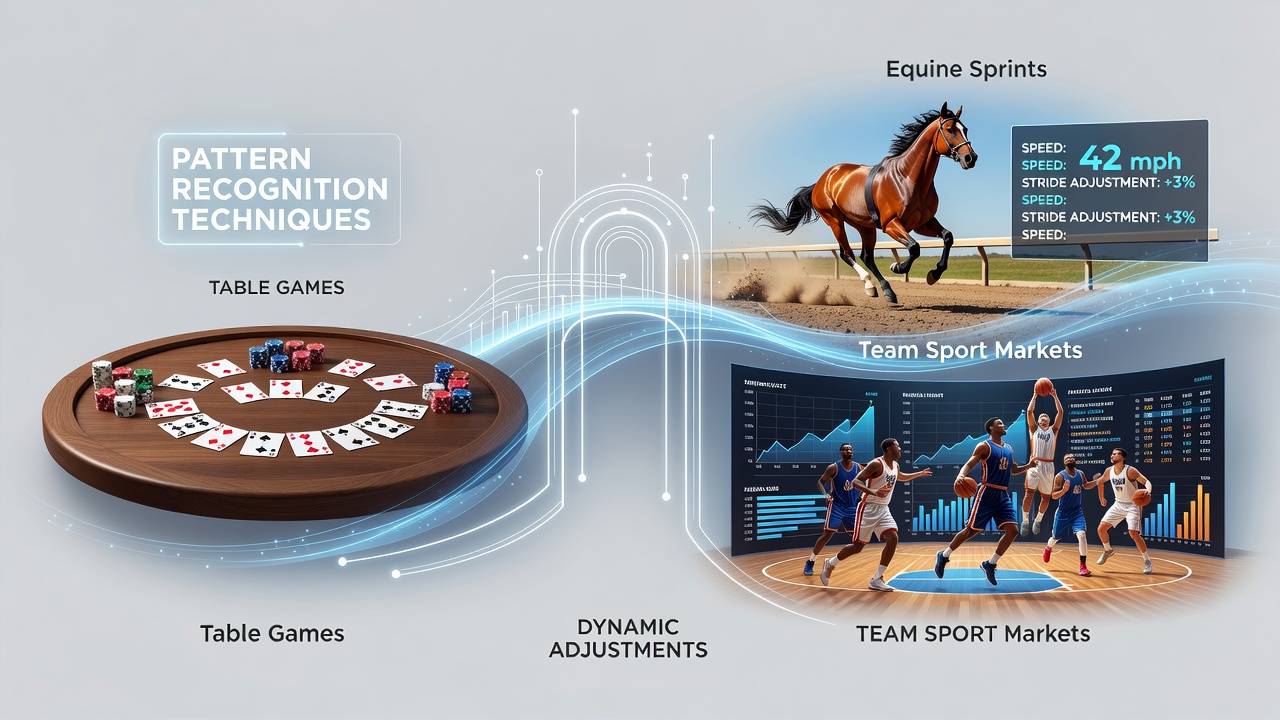
Pattern recognition forms a core element in table games such as blackjack and poker where players track card distributions and opponent tendencies over multiple rounds, and these same analytical habits extend into equine sprint analysis along with live adjustments in team sport markets according to researchers who examine cross-domain decision frameworks. Data from academic studies indicate that individuals who master sequence tracking in card environments often apply similar statistical filters when evaluating horse pace profiles on dirt surfaces or monitoring momentum shifts during soccer halves.
Foundations in Table Game Analysis
Blackjack players rely on deviation charts that adjust basic strategy based on remaining deck composition while poker participants catalog betting patterns and timing tells across sessions, and these methods rest on probability matrices that quantify edge changes as information accumulates. Research published through the University of Nevada's gaming laboratories shows that consistent application of such matrices improves long-term outcomes by measurable percentages when participants maintain disciplined record keeping. Observers note that the mental models developed here emphasize conditional probabilities rather than absolute outcomes, which creates transferable skills for environments where variables evolve rapidly.
Extension into Equine Sprint Dynamics
Equine sprint handicappers examine break angles, early pace fractions, and surface-specific speed figures in much the same way card counters evaluate remaining high cards, and multiple data sets reveal correlations between early positioning and final margins on distances under seven furlongs. Those who study dirt track patterns frequently combine historical running lines with real-time track variant adjustments, producing layered assessments that mirror the multi-variable calculations common in table game strategy. Figures from industry reports compiled by the American Gaming Association highlight increased participation in sprint-focused wagering pools where bettors incorporate pace projection software originally adapted from gaming analytics platforms.
Trainers and clockers supply raw timing data that bettors then filter through recognition algorithms similar to those used for shuffle tracking, while weather and rail position variables function like side counts that modify primary projections. One documented approach involves building matrices that weight recent works against lifetime sprint profiles, allowing dynamic recalibration as post time approaches.

Dynamic Adjustments in Team Sport Markets
Team sport betting markets, particularly those centered on soccer and basketball, present continuous streams of possession data, set-piece frequencies, and substitution impacts that reward real-time pattern updates similar to live poker reads. Analysts track correlations between corner kick conversion rates and defensive line adjustments, then translate those patterns into in-play market entries where odds shift according to emerging sequences. Studies conducted by the Canadian Centre on Substance Use and Addiction have examined how participants who cross-train pattern skills from table games demonstrate faster recognition of momentum flips during halves compared with those relying solely on static pre-match models.
Live betting interfaces now incorporate graphical overlays that display rolling averages for shots on target and territorial control, enabling bettors to apply the same conditional logic used in card counting to decide when a market has moved beyond its equilibrium range. European regulatory summaries from the Malta Gaming Authority note rising volumes in such dynamic products during major tournaments, with participation data indicating sustained interest across multiple leagues.
Integration Methods and Practical Overlaps
Professionals who bridge these domains often maintain unified databases that log both card session outcomes and athletic performance metrics, applying consistent filtering rules to identify high-value situations. Software tools originally designed for tracking blackjack penetration percentages now receive adaptations for monitoring equine workout intervals or soccer pressing triggers. Data aggregation services supply standardized feeds that allow seamless transition between game types without requiring entirely new analytical architectures.
Training programs offered through various research institutions emphasize deliberate practice in transferring recognition templates, and participants report accelerated proficiency when they deliberately alternate between table game simulations and sport data reviews. Regulatory frameworks in multiple jurisdictions require clear disclosure of algorithmic assistance in certain markets, which has prompted further refinement of transparent pattern documentation methods.
Conclusion
Pattern recognition techniques developed within table game environments continue to influence analytical approaches in equine sprint evaluation and team sport market adjustments as participants refine shared statistical frameworks. Continued data collection across these fields supports ongoing method evolution while maintaining focus on verifiable probability structures rather than isolated results.